

May 10, 2026
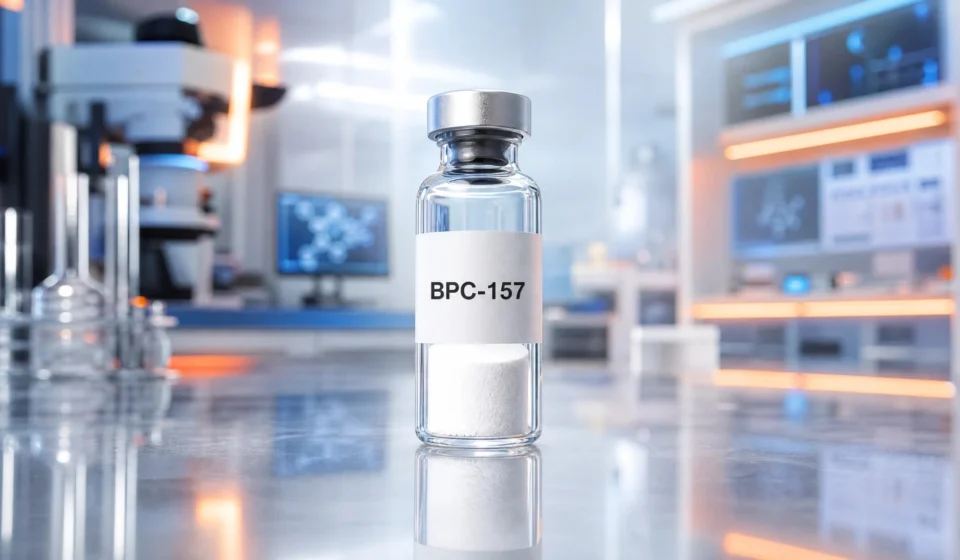
Body Protection Compound-157 (BPC-157) is a synthetic pentadecapeptide composed of 15 amino acids. It is derived from a partial sequence of the body protection compound discovered in and isolated from human gastric juice. Research indicates that BPC-157 is a highly stable regenerative agent that exerts significant cytoprotective and systemic healing effects, particularly within the gastrointestinal tract and the musculoskeletal system. (1)
Preclinical studies involving various animal models have demonstrated that BPC-157 may accelerate the healing of a wide array of tissues, including tendons, muscles, ligaments, and even bone. Its unique ability to promote biological healing without the typical inflammatory rebound has made it a primary focus of regenerative medicine and sports science research.
What is the mechanism by which BPC-157 exerts its effects?
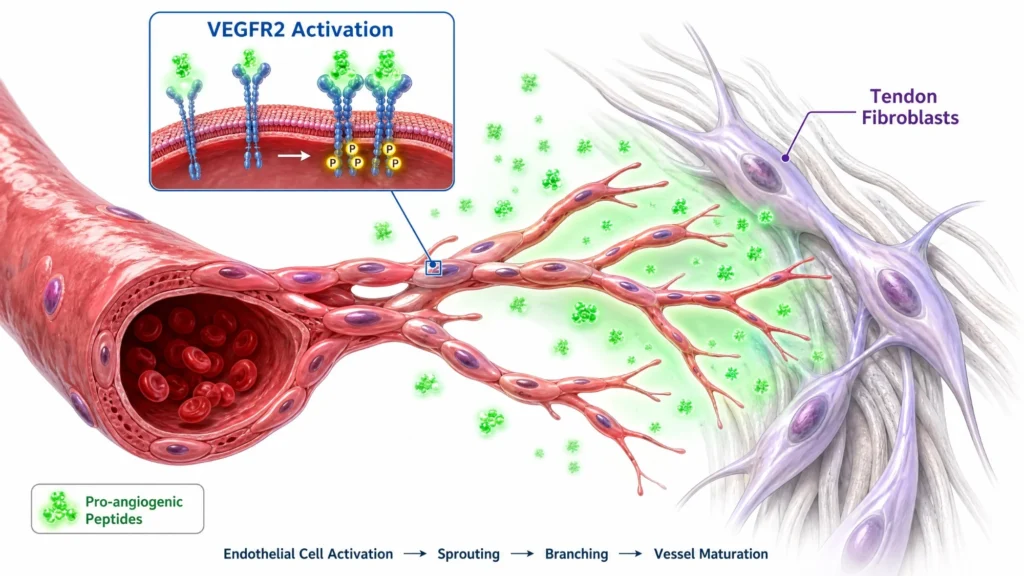
The primary mechanism underlying BPC-157’s proposed healing action appears to be its potential to modulate Angiogenesis—the formation of new blood vessels. Unlike other growth factors, BPC-157 seems to selectively activate the VEGFR2 (Vascular Endothelial Growth Factor Receptor 2) signaling pathway, which is essential for oxygen and nutrient delivery to damaged tissues. (2)
Upon introduction into a research model, BPC-157 appears to:
- Upregulate Growth Factors: It may increase the expression of Early Growth Response 1 (EGR-1) and Nerve Growth Factor (NGF), facilitating rapid cellular migration to the site of injury.
- Modulate Fibroblasts: It appears to enhance the tension-resistant properties of healing tendons by promoting fibroblast migration and spreading.
- Nitric Oxide (NO) Regulation: It suggests a dual role in regulating NO levels, protecting the endothelium and promoting blood flow to ischemic or damaged areas. (3)
Recent investigations also suggest that BPC-157 may interact with the Brain-Gut Axis, showing potential neuroprotective properties and an ability to stabilize the intestinal mucosal barrier, which is crucial for overall systemic homeostasis.
How was BPC-157 discovered?
BPC-157 was initially identified through research focused on the natural defense mechanisms of the human digestive system. Researchers in the late 20th century observed that gastric juice contained compounds capable of protecting the stomach lining from extreme pH levels and chemical stressors.
By isolating the specific 15-amino acid sequence that provided this protection, scientists developed the synthetic peptide BPC-157. Unlike the native protein, which is large and unstable, the pentadecapeptide version (BPC-157) remains stable in gastric juice and can be studied across various delivery methods, including oral and injectable routes, without immediate degradation. (4)
Research Studies on BPC-157 Peptide
BPC-157 and Tendon-to-Bone Healing
The role of BPC-157 in tendon-to-bone junction healing was investigated to determine its potential in treating chronic ligamentous injuries. In rat models with Achilles tendon ruptures, the introduction of BPC-157 appeared to significantly increase the rate of collagen fiber regeneration and alignment. Histological analysis suggested that the treated groups exhibited superior mechanical strength and faster recovery of function compared to control groups. (5)
BPC-157 and Gastrointestinal Integrity
This study aimed to investigate the cytoprotective effects of BPC-157 on the gut lining. Results indicate that BPC-157 potentially counteracts the damage caused by NSAIDs (Non-Steroidal Anti-Inflammatory Drugs) and alcohol. Mechanistically, it appears to stimulate the production of protective mucus and maintain the integrity of “tight junctions” between cells, potentially preventing “leaky gut” symptoms in research models. (6)
Synopsis
The Body Protection Compound-157 (BPC-157) peptide appears to be a robust modulator of tissue repair and angiogenesis. By activating the VEGFR2 pathway and stabilizing the cellular environment, BPC-157 potentially facilitates rapid recovery in diverse biological systems. While its primary fame stems from musculoskeletal repair, its systemic stability and gut-healing properties warrant further investigation into its broader therapeutic potential in scientific research.
NOTE: These products are intended for laboratory research use only. This peptide is not intended for personal use. Please review and adhere to our Terms and Conditions before ordering.