

May 8, 2026
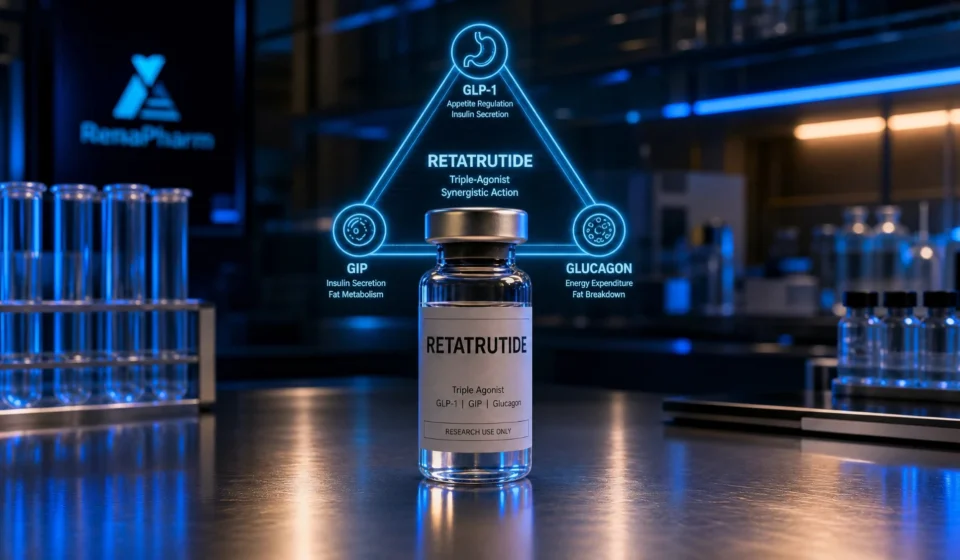
Retatrutide (also known as LY3437943) is an experimental synthetic peptide that represents the frontier of metabolic research. It is a “triple agonist” (tri-agonist) designed to target three distinct hormone receptors: Glucose-dependent Insulinotropic Polypeptide (GIP), Glucagon-like Peptide-1 (GLP-1), and the Glucagon Receptor (GCGR). While its predecessors, such as Tirzepatide, targeted two pathways, Retatrutide’s inclusion of the glucagon receptor is believed to provide an even more potent metabolic stimulus for energy expenditure and fat oxidation.
Preclinical and Phase 2 clinical data have demonstrated that Retatrutide may achieve unprecedented levels of weight reduction in research models, with some studies showing a mean weight loss of up to 24.2% over 48 weeks—the highest recorded efficacy for a peptide-based metabolic regulator to date.
What is the mechanism by which Retatrutide exerts its effects?
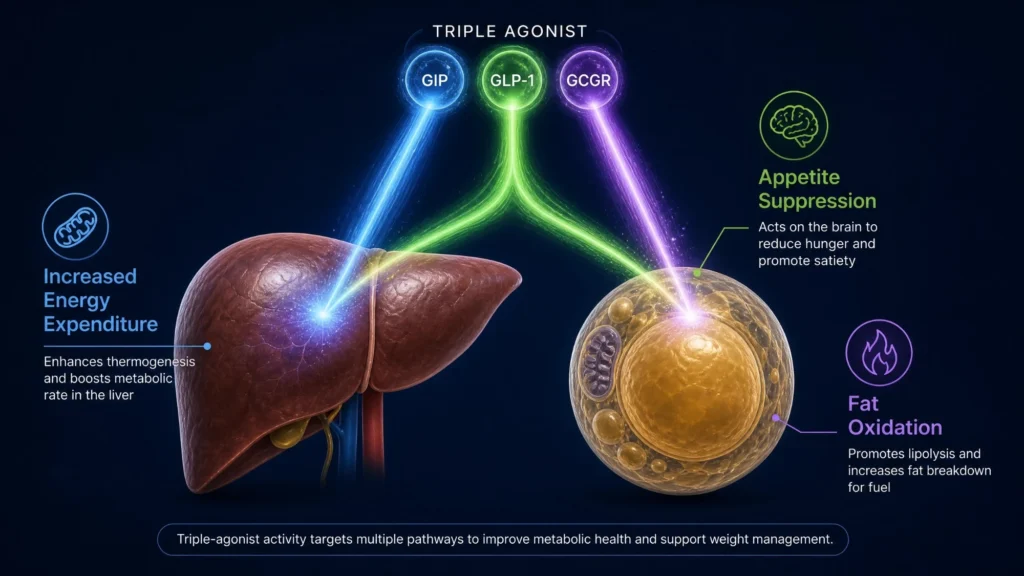
The primary mechanism underlying Retatrutide’s action involves the simultaneous activation of three key incretin and metabolic pathways. This “triple-hit” approach is designed to maximize caloric deficit while maintaining metabolic flexibility.
Upon introduction into a research model, Retatrutide appears to:
- GLP-1 Receptor Activation: Delays gastric emptying and acts on the central nervous system to suppress appetite and reduce caloric intake.
- GIP Receptor Activation: Enhances insulin secretion while potentially mitigating the gastrointestinal side effects of GLP-1; it also plays a role in improving lipid metabolism within adipose tissue.
- Glucagon Receptor (GCGR) Activation: Unlike its predecessors, Retatrutide activates the glucagon pathway, which is believed to increase energy expenditure (thermogenesis) and directly stimulate the liver to increase fat oxidation.
- Synergistic Metabolic Flux: The combination of these three pathways appears to prevent the metabolic “slowdown” often seen during significant weight loss.
How was Retatrutide developed in research?
Retatrutide was developed by researchers seeking to improve upon the success of dual agonists (GIP/GLP-1). By analyzing the limitations of existing therapies, scientists hypothesized that adding a third component—glucagon—could address the “plateau” effect by boosting the body’s basal metabolic rate.
The peptide was engineered as a single 39-amino acid sequence with a fatty acid side chain, allowing for a long half-life (approximately 6 days) suitable for weekly administration in research settings. This structural innovation allows the molecule to maintain stable concentrations in the bloodstream, ensuring consistent receptor occupancy across all three target pathways.
Research Studies on Retatrutide Peptide
Retatrutide and “God-Tier” Weight Reduction
The efficacy of Retatrutide was investigated in a landmark Phase 2 study involving obese research subjects. At the highest dose (12mg), participants experienced a mean weight reduction of 17.5% at just 24 weeks, progressing to over 24% by week 48. Researchers noted that 100% of participants in the high-dose group achieved at least a 5% weight reduction, a level of consistency rarely seen in metabolic research.
Retatrutide and Non-Alcoholic Fatty Liver Disease (NAFLD)
A secondary study aimed to investigate the impact of Retatrutide on liver fat content. Results were profound: in a subgroup of research models with NAFLD, Retatrutide administration resulted in an average liver fat reduction of over 80%. Mechanistically, the activation of the glucagon receptor in the liver is believed to be the primary driver of this rapid clearance of hepatic lipids.
Synopsis
The Retatrutide peptide appears to be the current “gold standard” for investigating the limits of pharmacologically induced metabolic regulation. By integrating GIP, GLP-1, and Glucagon agonism into a single molecule, it offers a comprehensive tool for studying the reversal of obesity and fatty liver disease. Its unparalleled efficacy warrants further investigation into its long-term impact on cardiovascular health and insulin sensitivity in scientific research.
NOTE: These products are intended for laboratory research use only. This peptide is not intended for personal use. Please review and adhere to our Terms and Conditions before ordering.
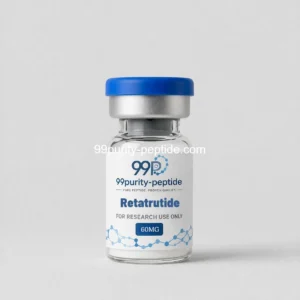
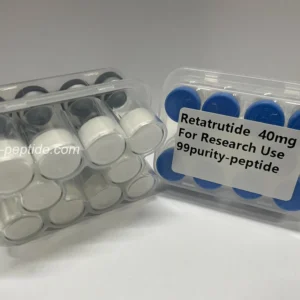
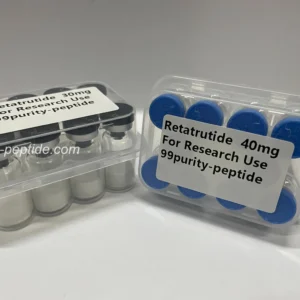
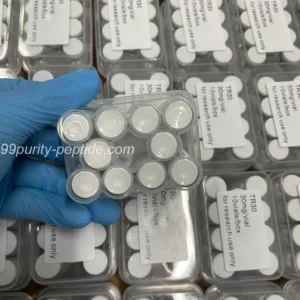
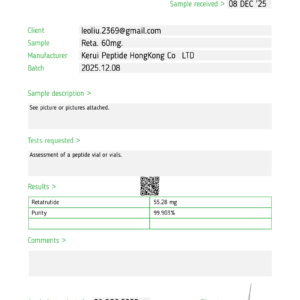
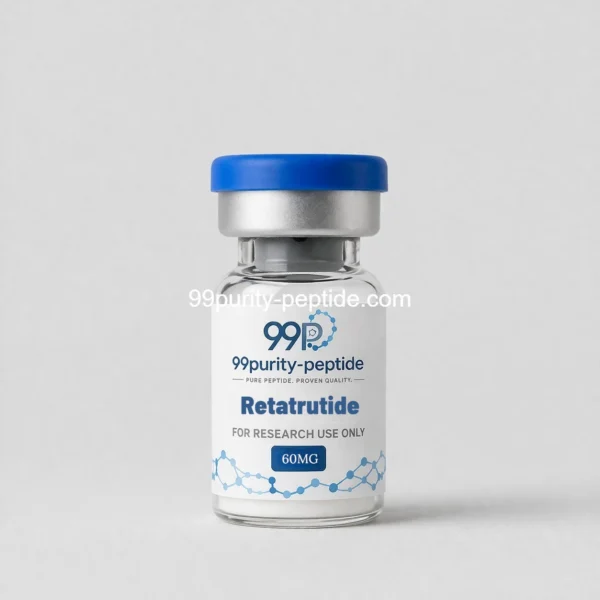
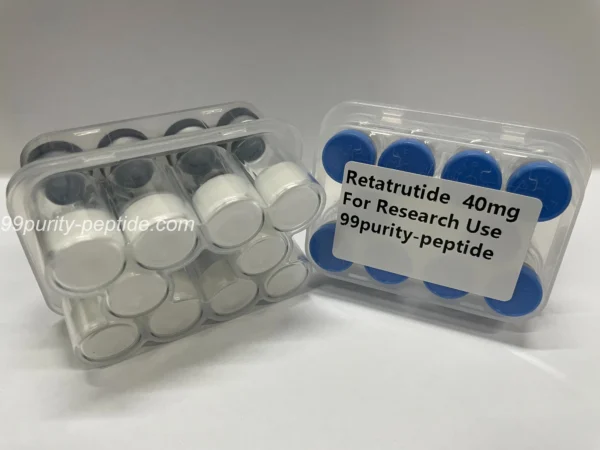
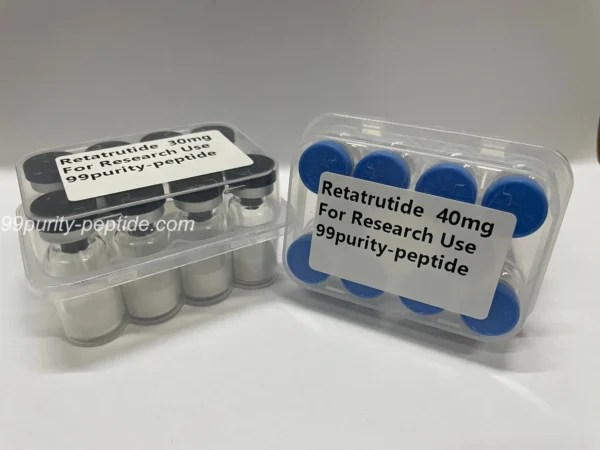
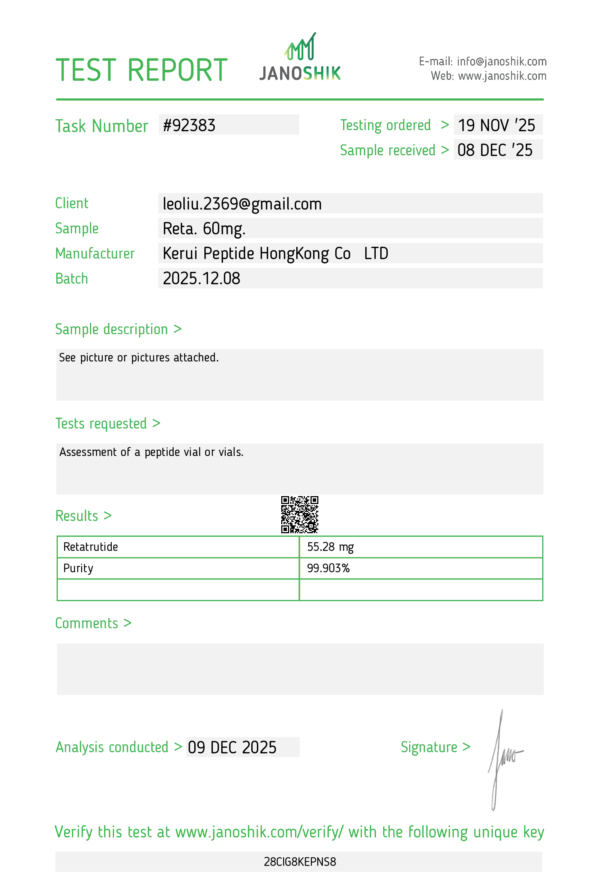
Retatrutide 60mg – High-Purity GIP & GLP-1 Dual Agonist for Metabolic Modeling
Featuring the latest GIP/GLP-1/GCG triple agonist. Our Retatrutide 60mg is lab-tested for 99%+ purity, making it the gold standard for modern weight management research.