
Skip to content
-
Subscribe to our newsletter & never miss our best posts. Subscribe Now!
99% Purity Peptide 99% Purity Peptide 99% Purity Peptide
  • Home
  • Shop
  • Features
  • Terms and conditions
  • Pages
  • Home
  • Shop
  • Features
  • Terms and conditions
  • Pages
Close

Search

Trending Now:
5 Essential Tools Every Blogger Should Use Music Trends That Will Dominate This Year ChatGPT prompts – AI content & image creation trend Ghibli trend – viral anime-style visual trend
  • Dresses
  • Bottoms
  • Footwear
  • Accessories
Subscribe
My account
99% Purity Peptide 99% Purity Peptide 99% Purity Peptide
  • Home
  • Shop
  • Features
  • Terms and conditions
  • Pages
  • Home
  • Shop
  • Features
  • Terms and conditions
  • Pages
Close

Search

Trending Now:
5 Essential Tools Every Blogger Should Use Music Trends That Will Dominate This Year ChatGPT prompts – AI content & image creation trend Ghibli trend – viral anime-style visual trend
  • Dresses
  • Bottoms
  • Footwear
  • Accessories
Subscribe
My account
Home/Neuroscience & Nootropics/IGF-1 LR3 Peptide: Research in Cellular Growth and Hyperplasia
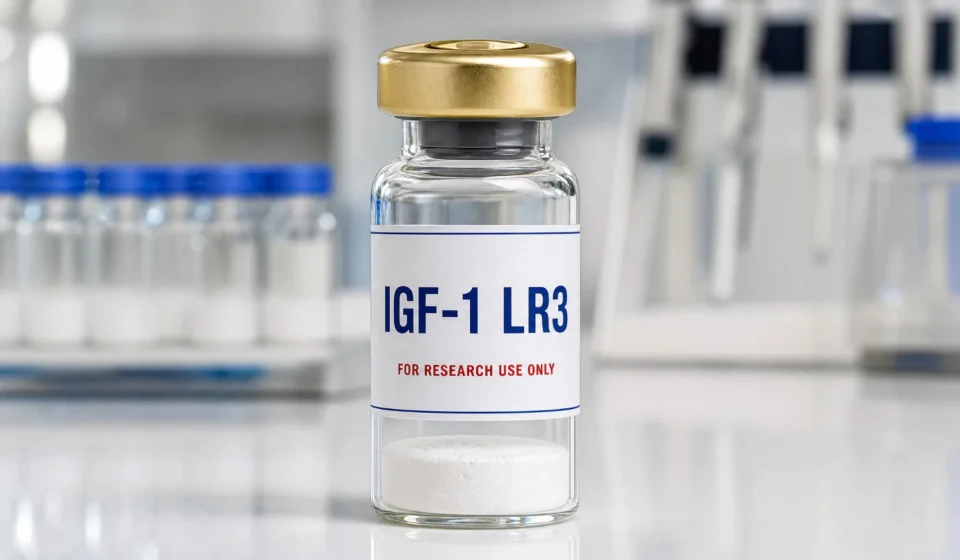
igf1_lr3_vial
Neuroscience & Nootropics

IGF-1 LR3 Peptide: Research in Cellular Growth and Hyperplasia

By gruppo di ricerca
October 1, 2025 4 Min Read
0

May 13, 2026

IGF-1 LR3 (Long $Arg^3$ Insulin-like Growth Factor-1) is a synthetic, 83-amino acid analogue of human IGF-1. Research indicates that it is a significantly more potent version of the native protein due to two specific structural modifications: the substitution of Glutamic acid with Arginine at position 3, and the addition of a 13-amino acid extension at the N-terminus. Extensive preclinical studies utilizing animal models have indicated the potential efficacy of IGF-1 LR3 in promoting systemic growth and site-specific tissue repair. These studies suggest that the peptide may influence biological processes through its dramatically increased half-life and reduced affinity for inhibitory binding proteins.(1)

What is the mechanism by which IGF-1 LR3 exerts its effects?

The mechanism underlying IGF-1 LR3’s proposed biological action involves its potential to interact with the Type 1 Insulin-like Growth Factor Receptor (IGF-1R). Upon presentation, IGF-1 LR3 appears to bind to the extracellular domain of the IGF-1R, potentially triggering receptor tyrosine kinase activity. This interaction appears to cause the activation of the PI3K/Akt pathway, which is considered crucial for protein synthesis, cellular survival, and the inhibition of apoptosis.

Recent investigations suggest that the primary advantage of the LR3 analogue is its inability to bind to Insulin-like Growth Factor Binding Proteins (IGFBPs). In its native form, IGF-1 is mostly sequestered by these binding proteins, which limit its bioavailability. Because IGF-1 LR3 does not bind to IGFBPs, it remains biologically active in the bloodstream for a significantly longer duration (approximately 20–30 hours compared to the 20-minute half-life of native IGF-1). This allows for sustained signaling and promotes cellular hyperplasia—the actual splitting and creation of new cells—rather than just hypertrophy of existing cells in research models.(1) (2)
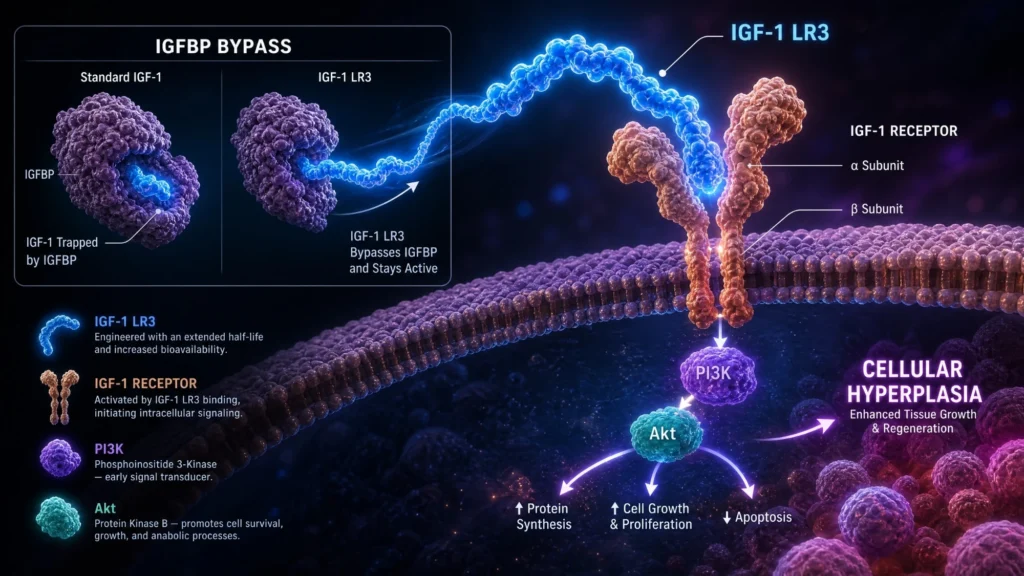
igf1_lr3_mechanism_illustration

How was the IGF-1 LR3 peptide discovered?

The discovery of IGF-1 LR3 was an achievement of biotechnology aimed at overcoming the rapid clearance rates of natural growth factors. Researchers in the late 1980s and early 1990s sought to engineer an IGF-1 molecule that could remain active long enough to have a measurable impact on growth in laboratory settings.

In their investigations, scientists utilized recombinant DNA technology to introduce the $Arg^3$ mutation. This specific change was identified as the key to disrupting the binding affinity between IGF-1 and its carrier proteins (IGFBPs). Specifically, the addition of the 13-amino acid “Long” N-terminal tail further stabilized the molecule against proteolytic enzymes. Building upon these findings, IGF-1 LR3 was developed as a superior tool for studying the molecular biology of muscle wasting, bone regeneration, and the systemic effects of insulin-like signaling in controlled environments.(3)

Research Studies on IGF-1 LR3 Peptide

IGF-1 LR3 Peptide and Myogenic Hyperplasia

The role of IGF-1 LR3 in skeletal muscle development was investigated to elucidate its potential to stimulate the proliferation of satellite cells. Using avian and murine models, the impact of IGF-1 LR3 was evaluated on DNA synthesis and protein accumulation. This study suggested that IGF-1 LR3 may significantly increase the number of muscle nuclei compared to findings yielded by the control group. Histological analyses revealed that upon IGF-1 LR3 introduction, it may potentially yield the formation of new myofibers. Mechanistically, IGF-1 LR3 appears to activate the MAPK/ERK pathway, potentially promoting the transition of cells from the $G_0$ to the $S$ phase of the cell cycle.(4)

IGF-1 LR3 Peptide and Metabolic Homeostasis

This study aimed to investigate the role of IGF-1 LR3 as a modulator of glucose uptake and lipid metabolism. Results indicate that IGF-1 LR3 potentially interacts with insulin receptors at high concentrations, resulting in potential positive regulation of GLUT4 translocation in adipose and muscle tissues. In vitro experiments using chondrocyte cultures suggest that the peptide may play a role in cartilage repair, as indicated by potential differential regulation of proteoglycan synthesis. Research further suggests that in nutrient-deprived models, the influence of IGF-1 LR3 may synergistically prevent nitrogen loss and potentially maintain organ weight. Researchers state that “IGF-1 LR3, by bypassing IGFBPs, disrupted the limitations of endogenous growth signaling and activated robust anabolic pathways in vivo.”(5)

Synopsis

The IGF-1 LR3 peptide appears to be a promising modulator of cellular proliferation and systemic anabolic signaling. By bypassing inhibitory binding proteins and activating the IGF-1R with high efficiency, IGF-1 LR3 appears to stimulate the body’s innate growth mechanisms, potentially leading to enhanced cellular responses and improved tissue regeneration in research models. Studies have suggested its potential in treating severe growth deficiencies and exploring the molecular mechanisms of cellular hyperplasia. Further investigations are warranted to fully elucidate its underlying mechanisms and evaluate its applications in scientific research.

NOTE: These products are intended for laboratory research use only. This peptide is not intended for personal use. Please review and adhere to our Terms and Conditions before ordering.
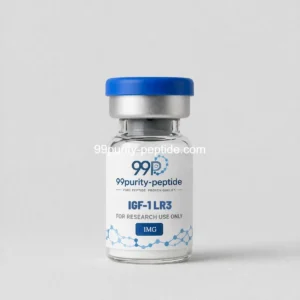
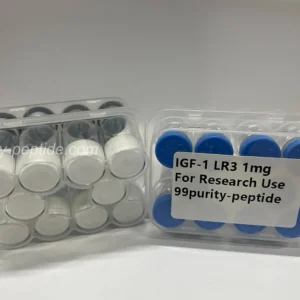
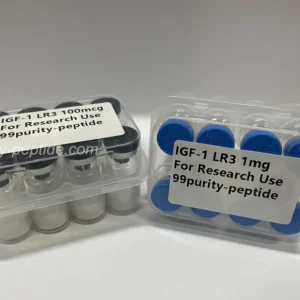
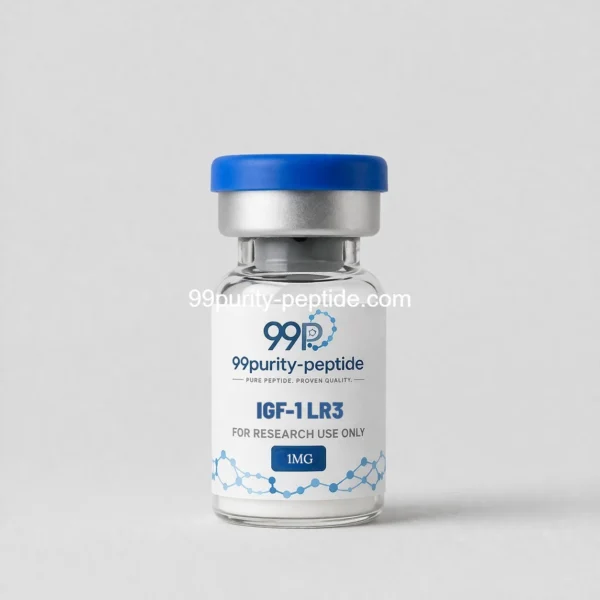
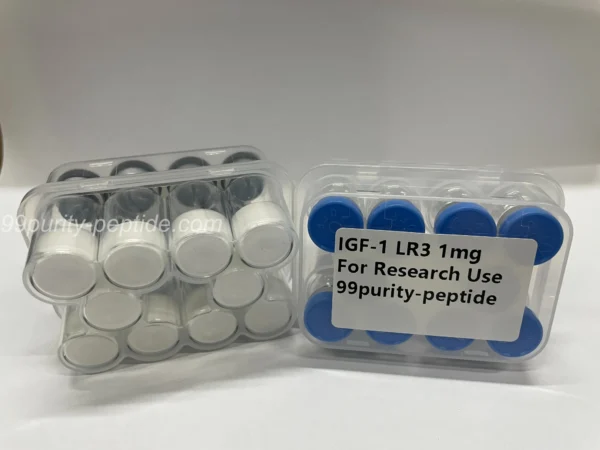
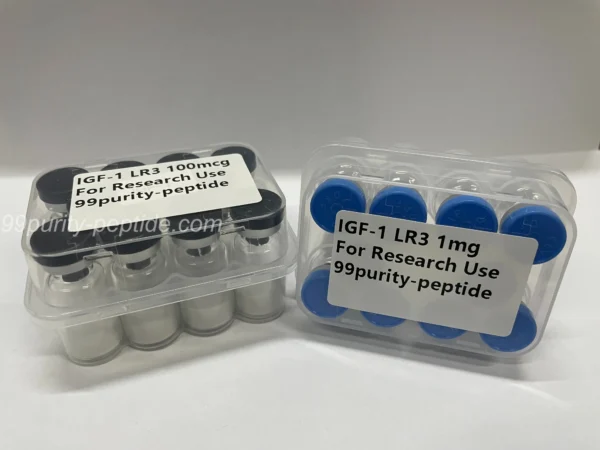
IGF-1 LR3 1mg vial for enhanced protein synthesis and muscle physique research.
Microscopic detail of IGF-1 LR3 powder purity, verified for professional-grade research-activity.
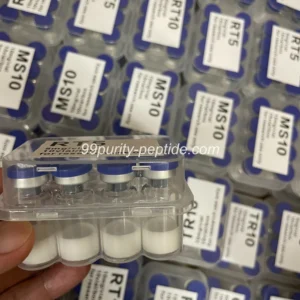
Specialist holding a IGF-1 LR3 1mg vial in our facility, showcasing authentic physique research stock.
  • IGF-1 LR3 1mg vial for enhanced protein synthesis and muscle physique research.
  • Microscopic detail of IGF-1 LR3 powder purity, verified for professional-grade research-activity.
  • Microscopic detail of IGF-1 LR3 powder purity, verified for professional-grade research-activity.
  • Specialist holding a IGF-1 LR3 1mg vial in our facility, showcasing authentic physique research stock.
IGF-1 LR3 1mg vial for enhanced protein synthesis and muscle physique research.Microscopic detail of IGF-1 LR3 powder purity, verified for professional-grade research-activity.Microscopic detail of IGF-1 LR3 powder purity, verified for professional-grade research-activity.Specialist holding a IGF-1 LR3 1mg vial in our facility, showcasing authentic physique research stock.

IGF-1 LR3 Peptide 1mg – IGF-1R Binding Affinity & PI3K/Akt Signaling Pathways Research

£32.45 – £273.37Price range: £32.45 through £273.37

Long-acting IGF-1 analog with extended bio-activity. Specialized for research into muscle cell hyperplasia, tissue regeneration, and systemic growth factor pathways.

Clear
SKU:
分类: Growth

Tags:

Cellular HyperplasiaGrowth FactorsIGF-1 LR3Metabolic Health
Author

gruppo di ricerca

Follow Me
Other Articles
ipamorelin_vial
Previous

Ipamorelin Peptide: Research in Selective Growth Hormone Stimulation

hcg_vial
Next

HCG Peptide: Research in Gonadotropic Signaling and Endocrine Regulation

No Comment! Be the first one.

    Leave a Reply Cancel reply

    Your email address will not be published. Required fields are marked *

    Recent Posts

    • Adamax Peptide: Research in Neuroprotection and Cognitive Augmentation
    • Adipotide (FTTP) Peptide: Research in Targeted Adipose Tissue Vasculature
    • AICAR Peptide: Research in Metabolic Activation and Cellular Energy Homeostasis
    • ARA-290 Peptide: Research in Innate Repair and Neuropathic Protection
    • AOD9604 Peptide: Research in Lipolysis and Cartilage Regeneration

    Recent Comments

    No comments to show.

    Archives

    • October 2025
    • September 2025

    Categories

    • Aesthetics & Performance
    • Healing & Tissue Repair
    • Longevity & Anti-Aging
    • Neuroscience & Nootropics
    • Weight Loss & Metabolic

    Categories

    • Cosmetic (8)
    • Growth (19)
    • Metabolic (22)
    • Neuro (11)
    • Repair (15)
    • Support (2)
    • Systemic (8)

    Hottest Deals

    Hi, I'm Alex. I work in API development research and have in-depth knowledge of the medical, peptide, and health fields.
    • X
    • Instagram
    • Facebook
    • YouTube
    Work Experience

    Shenzhen Research Institute

    Peptide development

    2021-present

    Luxora Digital

    API

    2019-2021

    Southern Medical University

    Support Specialist

    2017-2019

    Available for Hire
    Get In Touch

    Recent Posts

    • adamax_visualization
      Adamax Peptide: Research in Neuroprotection and Cognitive Augmentation
      by gruppo di ricerca
      October 1, 2025
    • hmg_vial.
      HMG: Research in Dual Gonadotropin Signaling and Fertility Models
      by gruppo di ricerca
      September 30, 2025
    • hgh_vial
      HGH: Research in Growth Signaling and Cellular Regeneration
      by gruppo di ricerca
      September 30, 2025
    • hexarelin_vial
      Hexarelin Acetate: Research in GH Secretion and Cardioprotection
      by gruppo di ricerca
      October 1, 2025

    Search...

    Technologies

    raw material

    raw material

    raw material

    raw material

    raw material

    raw material

    raw material

    raw material

    Crystagen_Bioregulator_Peptide_vial
    raw material

    raw material

    Information

    • About Me
    • My story
    • Awards & Achievement
    • Contact

    Welcome to the ultimate source for fresh perspectives! Explore curated content to enlighten, entertain and engage global readers.

    • Facebook
    • X
    • Instagram
    • LinkedIn

    Discover

    • Dresses
    • Bottoms
    • Footwear
    • Accessories

    Latest Posts

    • Tirzepatide Peptide: A Dual-Agonist Approach to Metabolic Research and Weight Regulation
      Tirzepatide is a novel, synthetic peptide that research indicates is… Read more: Tirzepatide Peptide: A Dual-Agonist Approach to Metabolic Research and Weight Regulation
    • Retatrutide Peptide: Research in Triple-Agonist Metabolic Regulation
      May 8, 2026 Retatrutide (also known as LY3437943) is an… Read more: Retatrutide Peptide: Research in Triple-Agonist Metabolic Regulation
    • Ipamorelin Peptide: Research in Selective Growth Hormone Stimulation
      May 13, 2026 Ipamorelin is a synthetic pentapeptide ($Aib-His-D-2-Nal-D-Phe-Lys-NH_2$) that… Read more: Ipamorelin Peptide: Research in Selective Growth Hormone Stimulation

    Locate Us

    123 Demo Blvd, Miami, FL 4567, United States
    +1 123-456-7890
    mail@example.com

    Pages

    • Stories
    • Stories
    • Typography
    • Typography
    • Terms and conditions
    • Terms and conditions

    Contact

    Phone

    +342348343

    +348796543

    Email

    hi@blogsy.com

    support@blogsy.com

    Location

    New York, USA

    Copyright 2026 — 99% Purity Peptide. We are a peptide chemical supplier. Statements on this site have not been evaluated by the FDA. Our products are not for human/animal use and are not intended to diagnose, treat, cure, or prevent any disease. Laboratory/In-Vitro Research Use Only.