

May 13, 2026
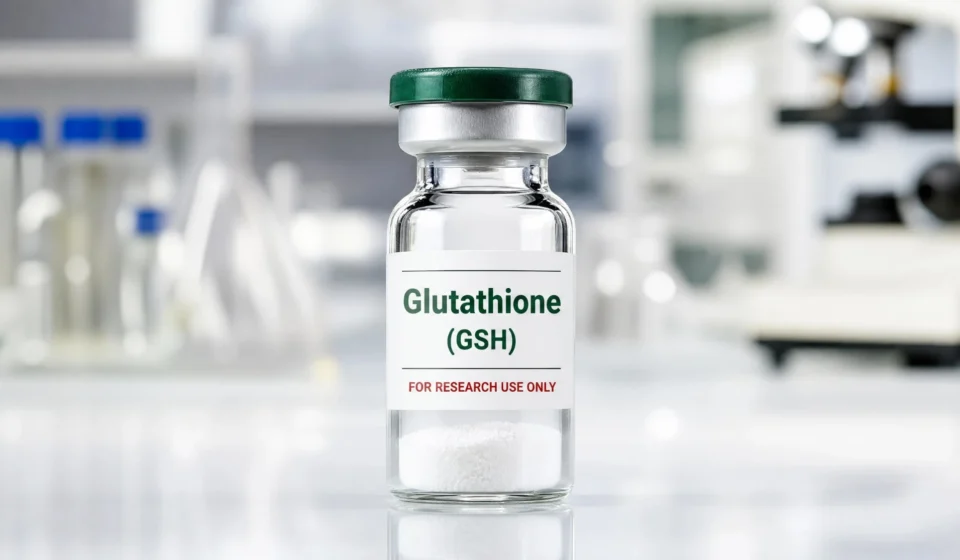
Glutathione (GSH) is a natural tripeptide composed of the amino acids L-glutamate, L-cysteine, and glycine. Research indicates that it is a potentially fundamental component of the body’s endogenous antioxidant system. Often referred to as the “master antioxidant,” Glutathione exists in both reduced (GSH) and oxidized (GSSG) states, and the ratio between these two forms is believed to play a role in determining cellular redox status. Extensive preclinical studies have indicated the potential efficacy of Glutathione in protecting cells from oxidative stress and maintaining metabolic homeostasis.(1)
What is the mechanism by which Glutathione exerts its effects?
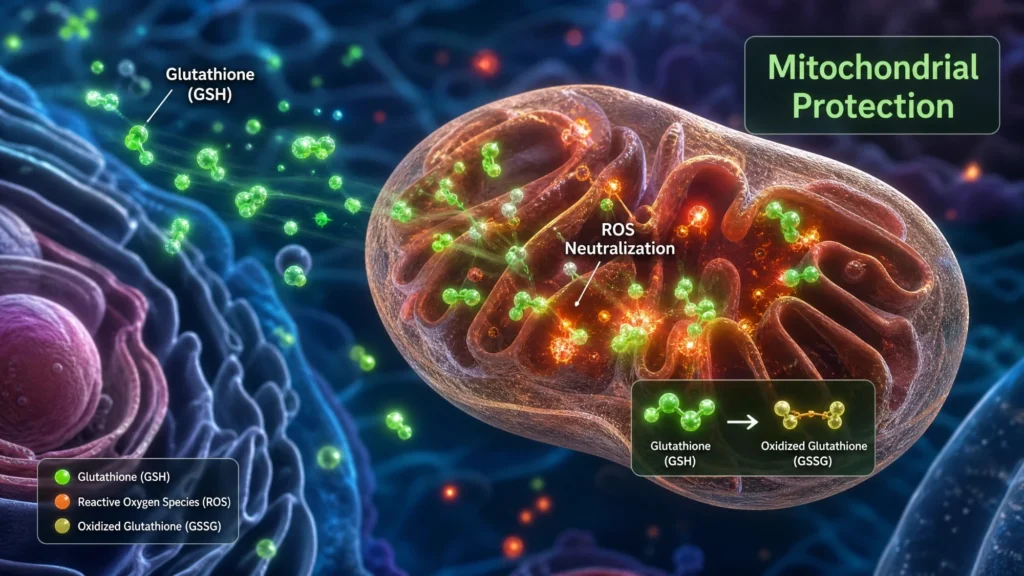
The mechanism underlying Glutathione’s proposed protective action appears to involve its potential to serve as a high-capacity electron donor. Upon presentation of reactive oxygen species (ROS) or free radicals, Glutathione appears to neutralize these harmful molecules directly or as a cofactor for enzymes such as glutathione peroxidase. Once oxidized to GSSG, it may potentially be recycled back to its reduced form by the enzyme glutathione reductase, a process that is considered crucial for the continuous defense against oxidative damage.
Recent investigations suggest that Glutathione also acts as a regulator of detoxification pathways, particularly in hepatic tissues. Studies suggest the potential involvement of the peptide in Phase II conjugation reactions, where it may bind to electrophilic compounds and possibly enhance their water solubility for excretion. Furthermore, Glutathione is believed to support mitochondrial health by potentially mitigating the accumulation of peroxides within the mitochondrial matrix, thereby preserving energy production efficiency in research models.(1) (2)
How was the Glutathione peptide discovered?
The discovery of Glutathione dates back to the late 19th century, but significant strides in elucidating its chemical structure were made by Sir Frederick Gowland Hopkins in the 1920s. In his investigations, Hopkins observed a sulfur-containing substance in various tissues that appeared to play a vital role in cellular respiration and oxidation-reduction reactions.
Building upon these findings, researchers later identified the specific tripeptide sequence and the unique gamma-glutamyl bond that protects it from standard cellular peptidases. By targeting the fundamental balance between pro-oxidants and antioxidants, Glutathione became a primary subject for studying cellular aging, metabolic dysfunction, and the molecular mechanisms of toxin neutralization.(3)
Research Studies on Glutathione
Glutathione and Metabolic Redox Regulation
The role of Glutathione in metabolic signaling was investigated to elucidate its potential to prevent lipid peroxidation and insulin resistance. Using high-fat diet rodent models, the impact of Glutathione was evaluated on markers of oxidative stress and systemic inflammation. This study suggested that Glutathione may significantly reduce the accumulation of malondialdehyde (MDA) compared to findings yielded by the control group. Histological analyses revealed that upon Glutathione introduction, it may potentially yield improved mitochondrial function and probably result in a more efficient glucose metabolism. Mechanistically, Glutathione appears to stabilize the redox environment, potentially promoting the proper folding of metabolic enzymes.(4)
Glutathione and Cellular Detoxification Pathways
This study aimed to investigate the role of Glutathione as a modulator of xenobiotic clearance. Results indicate that Glutathione potentially interacts with glutathione S-transferase (GST) enzymes, resulting in potential positive regulation of the detoxification of environmental pollutants. In vitro experiments using hepatocyte cultures suggest that the peptide may play a role in preserving cell viability during toxin exposure, as indicated by potential differential regulation of apoptotic markers. Research further suggests that in stressed cellular environments, the influence of Glutathione may synergistically enhance the activity of other antioxidants like Vitamin C and E. Researchers state that “Glutathione disrupted the progression of cellular oxidative damage and activated robust detoxification cascades in vitro.”(5)
Synopsis
Glutathione appears to be a promising modulator of cellular defense and metabolic signaling pathways. By neutralizing reactive oxygen species and disrupting the negative effects of environmental toxins, Glutathione appears to activate the body’s innate detoxification mechanisms, potentially leading to enhanced cellular resilience and improved metabolic markers in research models. Studies have suggested its potential in supporting liver health and accelerating recovery from oxidative injury. Further investigations are warranted to fully elucidate its underlying mechanisms and evaluate its applications in scientific research.
NOTE: These products are intended for laboratory research use only. This peptide is not intended for personal use. Please review and adhere to our Terms and Conditions before ordering.
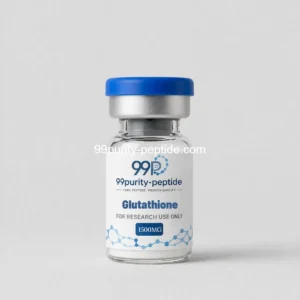
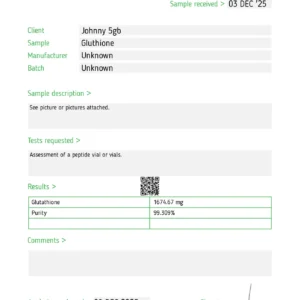
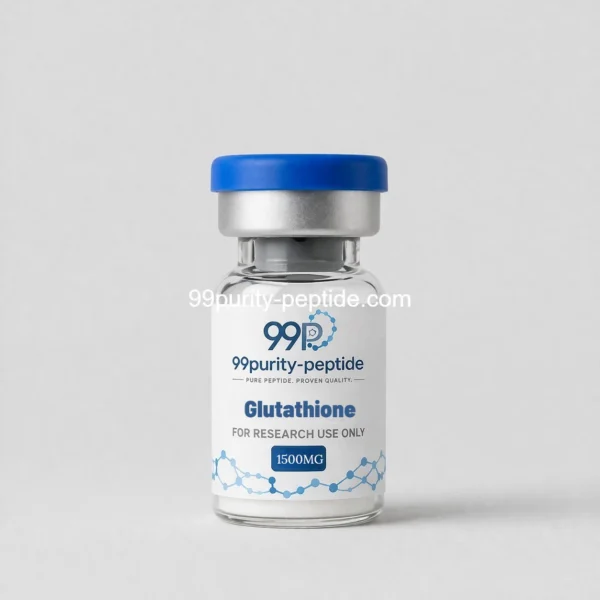
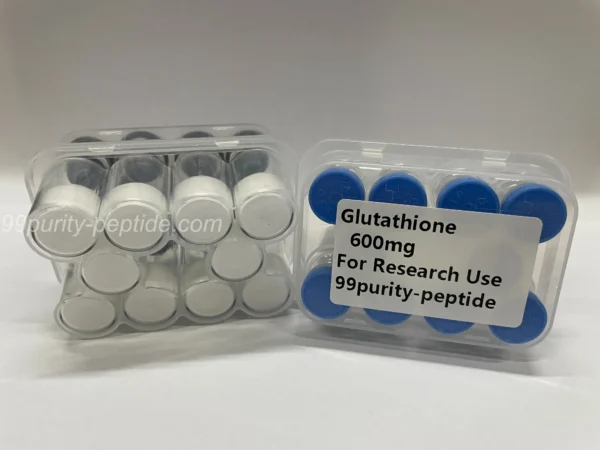
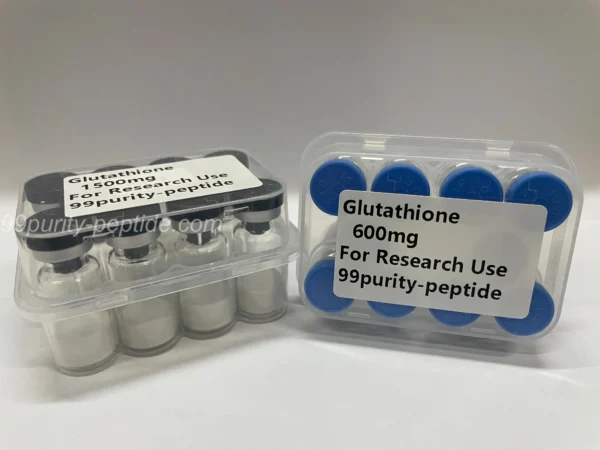
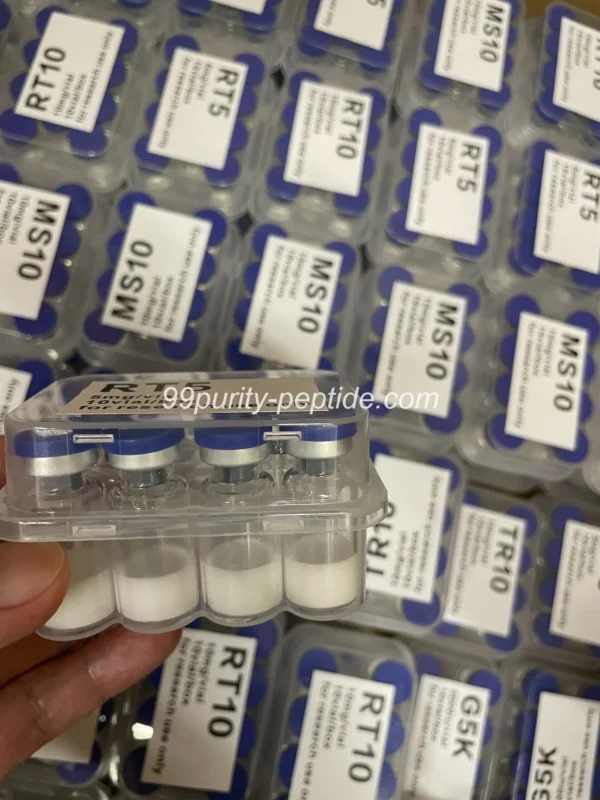
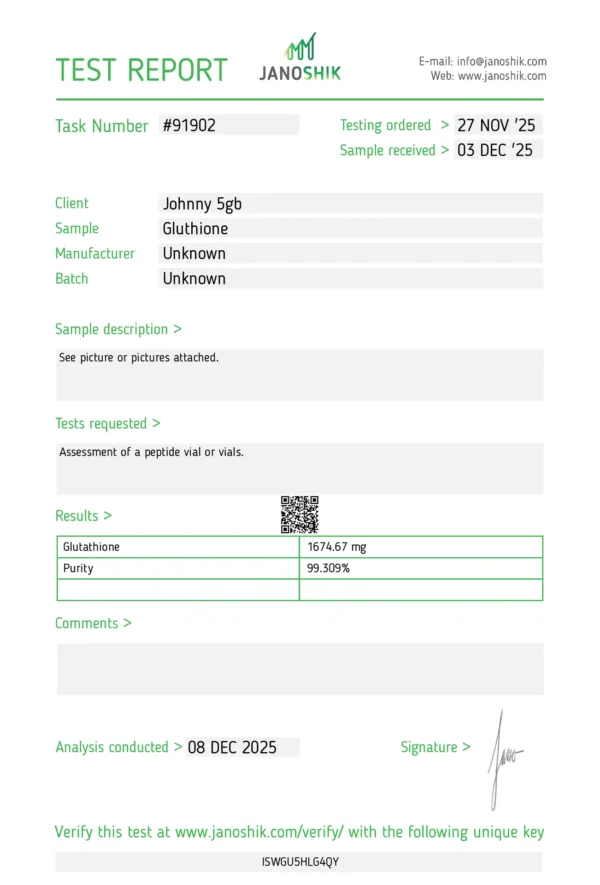
Glutathione 1500mg – Antioxidant & Systemic Detox Research
The “Master Antioxidant” in high-purity lyophilized form. Optimized for research into oxidative stress reduction, liver detoxification pathways, and systemic cellular protection.