

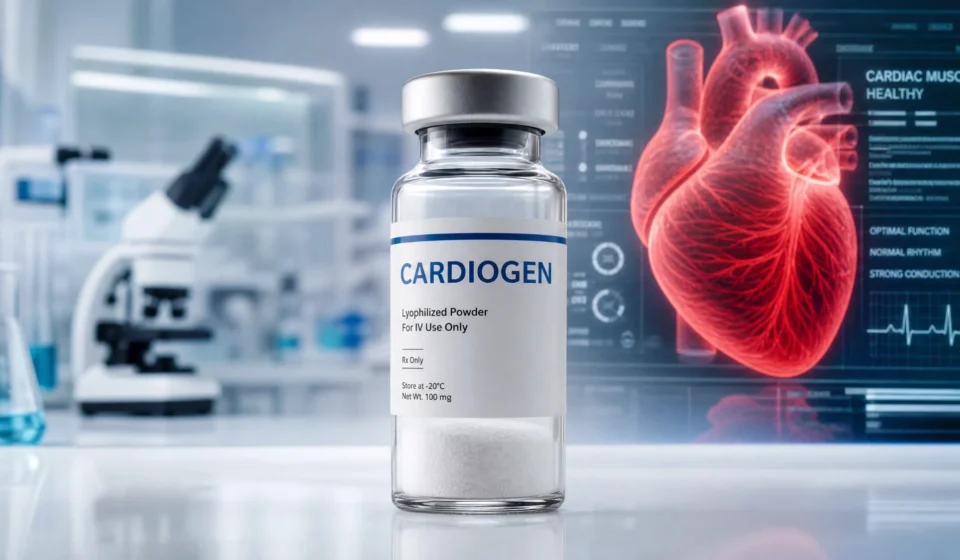
Cardiogen Peptide: Research in Myocardial Protection and Cardiomyocyte Regeneration

May 11, 2026
Cardiogen (Ala-Glu-Asp-Arg) is a synthetic tetrapeptide classified as a bioregulator, specifically engineered to target the cellular tissues of the cardiovascular system. Research indicates that Cardiogen acts as a potent signaling molecule that modulates gene expression within heart muscle cells (cardiomyocytes). Developed under the principles of organ-specific peptide regulation, Cardiogen is investigated for its potential to stimulate repair mechanisms in the heart and reduce the formation of non-functional scar tissue following myocardial injury. (1)
Preclinical studies suggest that Cardiogen may play a vital role in maintaining heart health by promoting the structural integrity of the myocardium and optimizing the metabolic processes within cardiac cells, particularly in research models of heart failure or ischemia.
What is the mechanism by which Cardiogen exerts its effects?
The primary mechanism underlying Cardiogen’s action involves the epigenetic regulation of protein synthesis within the heart. By interacting with the DNA structure of cardiomyocytes and fibroblasts, Cardiogen is believed to restore the functional activity of genes that have been silenced by aging or disease.
Upon introduction into a research model, Cardiogen appears to:
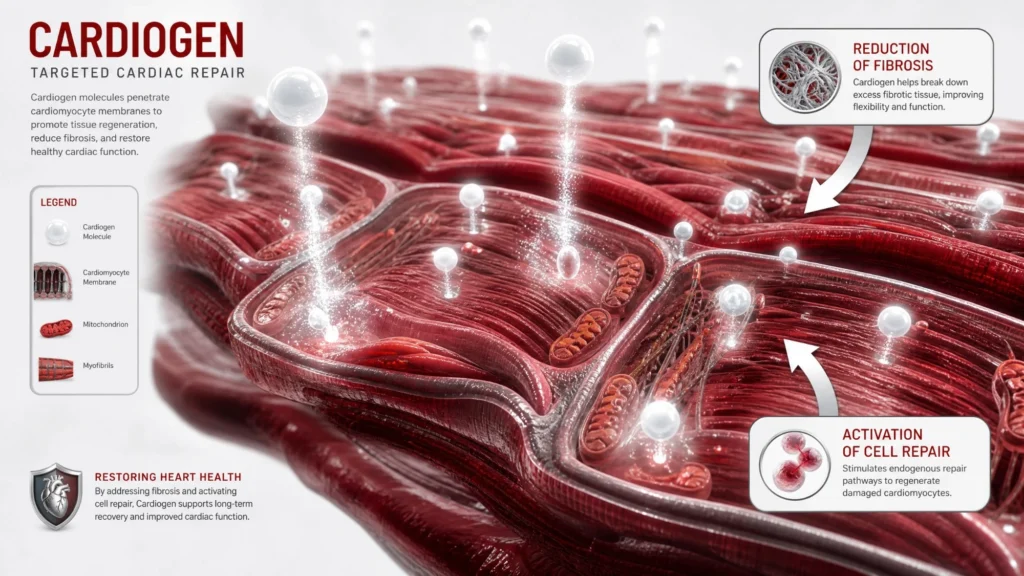
- Inhibit Fibrosis: It appears to reduce the proliferation of myofibroblasts, which are responsible for creating stiff, fibrous scar tissue in the heart. By limiting fibrosis, it helps maintain the elasticity and pumping efficiency of the myocardium. (2)
- Stimulate Cardiomyocyte Proliferation: Research suggests that Cardiogen may trigger the “reawakening” of cell division pathways in heart muscle, potentially leading to the formation of new, functional cardiac cells.
- Modulate p53 Expression: It has been observed to regulate the p53 protein, which is a key marker of cellular aging and apoptosis (programmed cell death). By normalizing p53 levels, Cardiogen may extend the lifespan and resilience of cardiac cells. (3)
- Enhance Mitochondrial Function: It appears to optimize cellular respiration within the heart, ensuring that cardiomyocytes have the ATP (energy) required for consistent contraction and relaxation.
How was Cardiogen discovered in research?
Cardiogen was developed at the St. Petersburg Institute of Biogerontology as part of a mission to identify short-chain peptides that govern organ-specific longevity. Researchers observed that young, healthy cardiac tissue contains high concentrations of specific regulatory peptides that decline with age.
By isolating the active tetrapeptide sequence (Ala-Glu-Asp-Arg) from bovine cardiac tissue and creating a synthetic version, scientists produced a highly stable and bioavailable research agent. This allowed for focused investigation into how specific peptide signals can “reset” the biological age of heart tissue and counteract the degenerative changes associated with cardiovascular decline. (4)
Research Studies on Cardiogen Peptide
Cardiogen and Post-Infarction Recovery
The role of Cardiogen in recovering from myocardial infarction (heart attack) was investigated in research models. Results indicated that administration of the peptide led to a significantly smaller “infarct zone” (area of dead tissue) compared to control groups. Researchers noted that the heart walls remained thicker and stronger, suggesting that Cardiogen successfully promoted repair while preventing the dangerous thinning of the heart muscle. (5)
Anticarcinogenic and Pro-Apoptotic Regulation
Interestingly, research has also explored Cardiogen’s impact on cancer cells within cardiac tissue. This study aimed to investigate how Cardiogen influences apoptosis in tumor cells. Results suggested that while Cardiogen protects healthy heart cells, it may actually promote the death of malignant cells by modulating specific apoptotic markers. This “selective” action makes Cardiogen a subject of significant interest in the study of cardio-oncology. (6)
Synopsis
The Cardiogen peptide appears to be a highly specific and potent bioregulator of the cardiovascular system. By targeting the fundamental genetic pathways of myocardial repair and suppressing the growth of fibrous scar tissue, Cardiogen potentially offers a unique route for studying the reversal of heart damage and the optimization of cardiac longevity. Further investigations are warranted to fully understand its synergistic effects when paired with other metabolic or longevity peptides in scientific research.
NOTE: These products are intended for laboratory research use only. This peptide is not intended for personal use. Please review and adhere to our Terms and Conditions before ordering.
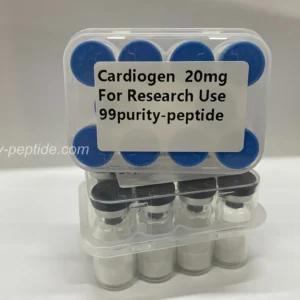
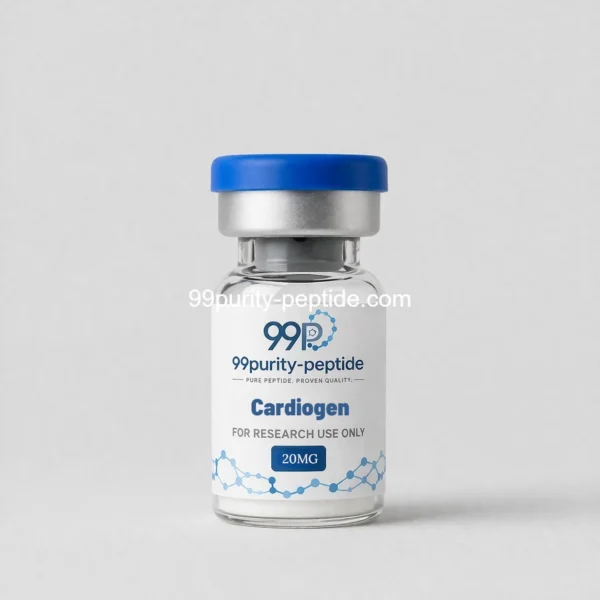
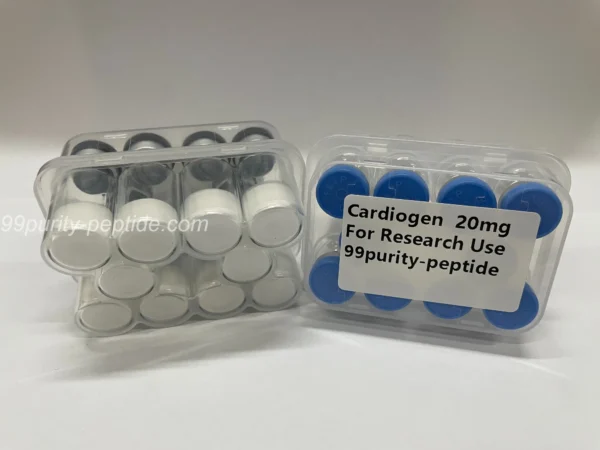
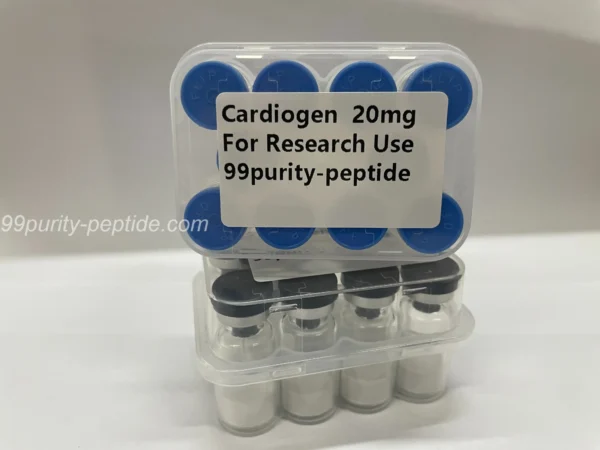
Cardiogen 20mg – Cardiomyocyte Function & Cellular Homeostasis Research
Optimized for cardiovascular system studies. Cardiogen is engineered for research into heart muscle repair, endothelial health, and post-stress cardiac recovery signaling.